As a result, athletes may use protein powder to speed up recovery from muscle soreness after exercise. In the morning or between meals, it keeps you fuller for longer and supports weight management. With options like ATOM shakes or AS-IT-IS ONE added to meals, it’s easy to fit protein into your routine whenever it works best for you.Check out our [Getting Started with Protein & Supplements collection] for practical guidance. It blends smoothly and contains a sufficient amount of amino acids that support muscle repair. Brown rice protein is another easy option because it’s gentle on the stomach. Hemp has the bonus of omega-3s, though you don’t get quite as much protein per scoop.
- The right snack before a run gives your body what it needs to perform and feel good doing it.
- For example, endurance sports often cause your body to use more glycogen than resistance training.
- I’ve been using ATOM Creatine for about a few weeks and the results have been quite good.
- Phytonutrients, also called phytochemicals, are chemicals produced by plants.
- Rehydration and restoring electrolytes is the number one priority post-workout.
- Sports dietitian Kate Patton, RD, LD, explains how to eat before and after workouts to maximize your energy and recovery.
If recovery time and opportunities allow it, the consumption of sodium-rich foods, such as crackers, peanuts, bread, milk, cheese, ham, kabanos, and soups, may be sufficient to regain the state of euhydration. However, if the recovery time is less than 12 h, more aggressive rehydration strategies and the use of moisturizing beverages (e.g., glycerol) are required before the next training or competition [25]. The execution of the search algorithm with Boolean operators resulted in 1816 references; nonetheless, we performed a screening of articles based on article type, text availability and suitability with the topic to discuss the following sections. To improve comprehension regarding the nutritional strategies that impact post-exercise recovery, a mnemonic entitled the 4R’s (Rehydrate, Refuel, Repair, and Rest) is introduced. This approach divides the nutrition intervention into four interrelated scenarios that follow the post-exercise time course in order to optimize the exercise-induced adaptations and recovery (Figure 2).
Choosing a weight
This affects recovery, muscle growth, and adaptation to exercise, especially after resistance training and high intensity interval training (3). “The first priority following a workout should be to replenish electrolytes, rehydrate with water, and fuel correctly with a nutritious meal or snack consisting of both carbohydrates and protein. For most people, waiting at least 1 hour between finishing your workout and having your first alcoholic beverage is a good minimum to aim for,” she says. Many active adults benefit from 20–40 grams of protein after training or at the next meal. Daily intake matters most, and many active people do well with approximately 1.4–2.0 grams of protein per kilogram of body weight per day, depending on goals, body size, and training load.
Think of your body like a car — without fuel, it can be hard to get moving or make any progress when it comes to exercise and training. How you fuel and refuel before and after exercise helps determine the actual benefit of your fitness session. That’s true whether you’re lifting weights, running miles or swimming laps.
You’re Exercising Regularly — So Why Can’t Your Body Keep Up?

In fact, exercise has been shown to help decrease the urge to drink (2). Suzie Wylie, a former professional Muay Thai fighter and Registered Nutritionist at the London Clinic of Nutrition, focuses on the importance of keeping yourself hydrated if you do decide to drink alcohol after exercise. What’s more, some events, such as Tough Mudder (an obstacle-based mud run) and the Marathon du Médoc in Bordeaux, France, offer alcoholic drinks either at the end of or throughout the course as part of the overall experience. Get more of SELF’s great nutrition coverage delivered right to your inbox—for free. Tart cherry juice is loaded with antioxidants and various anti-inflammatory compounds and has been shown to help athletes recover from intense training. The following science-backed options optimize your recovery so you can head back to the gym faster and stronger.
As a general guide, many sports nutrition recommendations suggest replacing about 20–24 ounces of fluid per pound of body weight lost during exercise, especially after high-sweat sessions. Carbohydrates help replenish glycogen, the stored carbohydrate found in muscles and the liver. This matters most after endurance workouts, intense training sessions, long workouts, or when there is limited time before the next workout.
Rebuild – How to optimise your protein intake
The Thailand food and drug administration (FDA) has approved that crocodile blood (CB) products shall not exceed the maximum allowance level of 1 g per day as a dietary supplementation for human consumption [13]. The authors have concluded that an 18-day supplementation of 1 g day−1 of CB helps to maintain peak muscle force or DOMS compared to a placebo after eccentric exercise. In addition, biochemical analysis provided evidence that 1 g day−1 of CB supplementation should be safe for human consumption. Recovery strategies, both in the general population and in athletes, must be aimed at the main causes of fatigue. Any physical activity involves an increase in metabolism and the functionality of the functional systems of our body [1,2]. There are many studies on proteins, amino acids, immediate principles and metabolic regulators (vitamins and minerals) that have demonstrated their importance and effectiveness in muscle recovery [1,2,3].
Prep Rally: Some of the best moments and performances from championship weekend
Because exercise sensitizes muscle tissue to certain hormones and nutrients, muscle is most responsive to nutrient intake during the first 30 minutes postexercise. And although this metabolic window of opportunity diminishes as time passes, certain types of exercise, such as resistance training to the point of muscular fatigue, keep the window open for up to 48 hours. Therefore, athletes must be cognizant of what they consume each day and when. Physical training takes place in succinct bouts, but the nutrition segment of a training program extends to all waking hours and must include the replenishment of several nutrients to promote postexercise recovery. During post-exercise recovery, optimal nutritional intake is essential to replenish endogenous substrate stores and facilitate muscle-damage repair and reconditioning.
What is the best food to eat after a workout?
According to a 2020 analysis, many of the best-selling protein powders contain heavy metals, such as lead, cadmium, and arsenic. If you love variety and enjoy your protein mainly as shakes, go for ATOM. It comes in many delicious flavours, from classic chocolate to unique kulfi. If you prefer pure, unflavoured protein that you can mix into anything (even your roti or dosa batter), then AS-IT-IS ONE is the right choice.Get inspired with our [recipes collection] and start experimenting today. I’ve been using ATOM Creatine for about a few weeks and the results have been quite good.
Join the Nutrition By Mandy Email List & Get a Free Weekly Meal Planner Template
Without nutrient intake, this catabolic cascade continues for hours postexercise, contributing to muscle soreness and possibly compromising training adaptations and subsequent performance. Total- Match your caloric intake with your training/activity requirements and goals. Type- Focus on carbohydrates for energy and glycogen restoration, adequate-protein for repair and muscle protein synthesis, and healthy fats to minimize inflammation and support overall health.3.
Key macronutrients for post-workout recovery
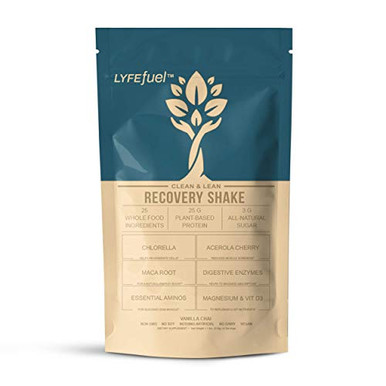
You know that feeling when you come in from a long training session and you’re ready to eat EVERYTHING in the refrigerator? That’s your body screaming at you to let you know that it needs refuelling and rebuilding after what you’ve just put it through. Take control of your weight and health by unlocking your DNA to discover your optimal body fat burning strategies.
Cow’s milk
It is a factor that can adversely impact reproductive, skeletal, and immune health, training, performance, and recovery, as is madmuscles safe well as a risk factor for both macro-and micronutrient deficiencies. Activate more muscle fibers, increase range of motion, drive up strength and reduce the risk of injuries with the full training routine videos. After four hours of recovery, both strategies initiated the same glycogen restoration and time trial performance showed no differences. Often referred to as the ‘anabolic window’, research has shown that the body is more responsive to refuelling and repairing in the immediate period after exercise.
Healthy Recipes
Low Energy Availability (LEA) occurs when there is an imbalance between energy intake and energy expenditure, resulting in an energy deficit. Optimal recovery is best attained through an integrative approach, focusing on nutrition, sleep, and stress management. We’re dedicated to training the next generation of healthcare professionals. Rapid post-exercise feeding needn’t be a blanket recommendation though (like it so often is). It’s less an anabolic window and more an anabolic barn-door (less catchy…but the point is it’s hard to miss).
After your workout, your body replenishes glycogen stores and regrows those muscle proteins. Eating the right nutrients soon after being active can help your body do so more effectively. During exercise, your muscles use up stored glycogen, which is the body’s preferred fuel source.